Why do people prefer iPhone over Android
Why Do People Prefer iPhone Over Android? Understanding the Smartphone Loyalty Phenomenon
The smartphone wars have been raging for over a decade, and one question continues to dominate tech discussions: why do so many people choose iPhone over Android? It’s a debate that goes far beyond technical specifications and touches on psychology, lifestyle, and personal values.
I’ve watched friends switch between platforms, observed heated discussions in coffee shops, and seen families divided over blue versus green message bubbles. The truth is, the iPhone preference isn’t just about the device itself—it’s about what that device represents and enables in our increasingly digital lives.
The Seamless Ecosystem Experience
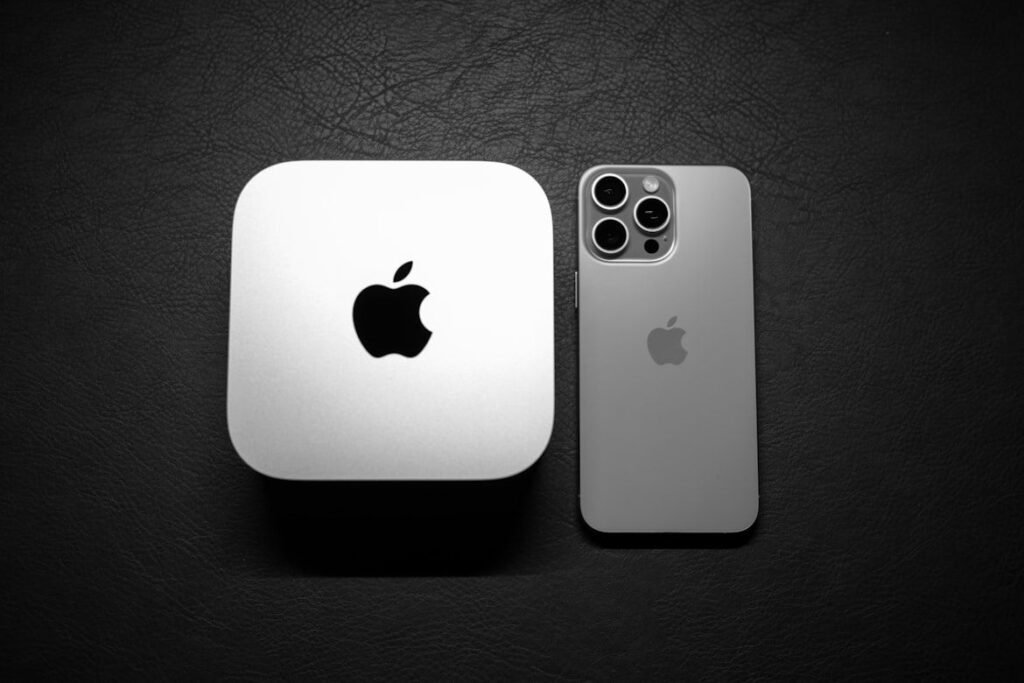
Walk into any Apple Store and you’ll see it: people don’t just buy an iPhone. They buy into an entire ecosystem. That’s not marketing speak—it’s a genuine competitive advantage that Apple has carefully cultivated over years.
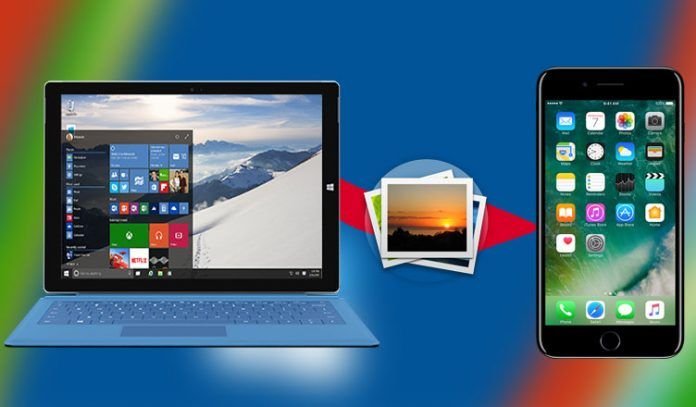
When you own an iPhone, iPad, MacBook, and Apple Watch, something magical happens. You start a text on your phone and finish it on your laptop. Photos you take automatically appear everywhere. Your AirPods switch between devices without you touching a single setting. It’s the technological equivalent of a well-choreographed dance.
Try replicating that experience across different manufacturers in the Android world, and you’ll quickly understand the appeal. Sure, it’s possible to achieve some integration, but it requires research, setup, and often compromise. For most people, convenience wins every time.
This ecosystem creates what tech analysts call “switching friction.” The more Apple products you own, the harder it becomes to leave. It’s not manipulation—it’s genuine value that compounds with each additional device. Your digital life becomes so intertwined with Apple’s services that switching feels like moving to a new country where you don’t speak the language.
Simplicity as a Feature, Not a Compromise
Here’s something that gets lost in spec-sheet comparisons: most people don’t want a phone they can tinker with. They want a phone that works, consistently and predictably, without requiring a learning curve.
Android offers incredible customization. You can change virtually everything about how your phone looks and functions. For tech enthusiasts, that’s paradise. For everyone else? It’s often overwhelming.
iPhone takes the opposite approach. There’s one way to do things, and that way is refined, polished, and consistent. You don’t choose between twelve different settings menus or wonder why your friend’s Android phone looks completely different from yours despite being the same model.
This isn’t about dumbing things down—it’s about respecting people’s time and mental energy. When you pick up any iPhone, you know exactly how it works. That familiarity has enormous value in our already complicated world.
Privacy Has Become a Premium Feature
In an era of data breaches and surveillance capitalism, Apple has positioned privacy as a core selling point. Whether it’s blocking apps from tracking you across the internet, processing Siri requests on your device instead of in the cloud, or encrypting your messages by default, Apple has made privacy central to its brand identity.
Does Android have privacy features? Absolutely. Can you configure Android to be just as private? Probably. But there’s a crucial difference: Apple’s business model doesn’t depend on harvesting your data. They make money selling you hardware, not selling you to advertisers.
Google, by contrast, is fundamentally an advertising company. Android may be open-source and flexible, but it’s also designed to feed Google’s data-hungry ecosystem. For users who’ve grown wary of being the product, iPhone offers peace of mind, whether entirely justified or not.
The Social Dimension We Don’t Talk About Enough
Let’s be honest about something uncomfortable: in certain demographics and regions, iPhone ownership has become a social marker. Those blue iMessage bubbles versus green ones? For some people, particularly younger users, that’s not a trivial distinction.
Group chats break when Android users join. Features like high-quality video sharing, read receipts, and reactions don’t work the same way. Whether fair or not, this has created genuine social pressure to own an iPhone.
Beyond messaging, there’s a broader status element. iPhones are premium-priced products, and carrying one signals a certain economic status. In some social circles, showing up with an Android phone—even a flagship model costing the same as an iPhone—carries different connotations.
This isn’t entirely superficial. Brands communicate identity, and Apple has successfully associated itself with creativity, sophistication, and quality. People don’t just want a good phone; they want to be seen as the kind of person who uses a good phone.
Updates That Actually Happen
Here’s a practical consideration that doesn’t get enough attention: software support. When Apple releases iOS 18, every compatible iPhone gets it on the same day. Your three-year-old iPhone gets the same features as a brand new one, at the same time.
In the Android world, fragmentation is real. Google might release Android 15, but when you actually get it depends on your phone manufacturer, your carrier, and sometimes just luck. Some phones never get major updates at all.
This matters beyond just having the latest features. Security updates protect your data and privacy. New capabilities can breathe life into older hardware. Consistent updates mean you can keep your phone relevant and secure for five or six years, which makes that premium price tag easier to justify.
Customer Service You Can Walk Into
Something often overlooked in online debates: what happens when something goes wrong? If your iPhone breaks, you can make an appointment at an Apple Store, walk in, and usually walk out with a solution the same day.
The experience isn’t always perfect, but there’s enormous value in having a physical place to go, staffed by people who work for the company that made your device. You’re not navigating warranty claims with a third-party manufacturer or shipping your phone off for weeks.
Android users might get excellent support from manufacturers like Samsung, but the experience varies widely. Some brands have great service networks; others barely have a phone number to call. That uncertainty makes some people willing to pay Apple’s premium just for the peace of mind.
The “It Just Works” Reality
I know it sounds like a cliché, but there’s truth to it: iPhones tend to just work. Apps are often developed with iOS as the priority, so they’re more polished and reliable. The tight integration between hardware and software means better optimization and fewer weird bugs.
Android phones can absolutely match or exceed iPhones on paper. But there’s a difference between theoretical performance and day-to-day reliability. When your phone’s primary job is to be dependable—to take that crucial photo, to load that important email, to make that time-sensitive call—consistency matters more than peak performance.
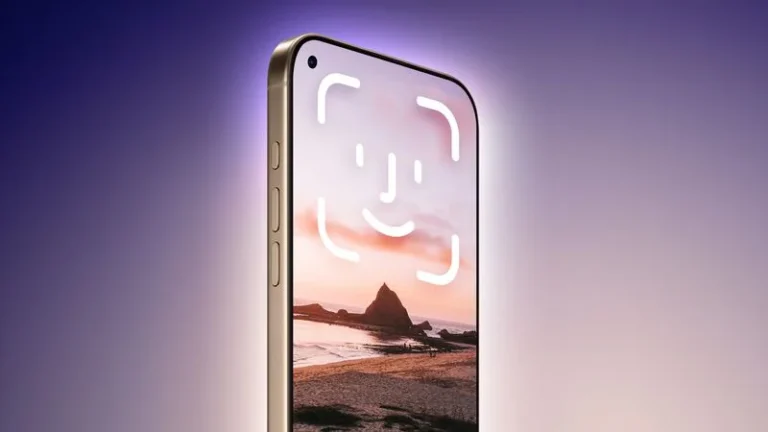
Apple’s approach is to introduce features when they’re ready, not when they’re possible. Face ID was introduced later than Android’s face unlock, but it worked better immediately. Apple Pay arrived after mobile payments existed, but it succeeded where others struggled. This philosophy resonates with people who want reliable tools, not beta tests.
The Real Reason: Personal Priorities
At the end of the day, the iPhone versus Android question isn’t about which is objectively superior. It’s about what you value in a smartphone and in your relationship with technology.
Some people value customization, variety, and the freedom to tinker. They want the latest features first, even if they’re rough around the edges. They appreciate having choices and don’t mind investing time to optimize their experience. For them, Android is the obvious choice.
Others value simplicity, reliability, and ecosystem integration. They want their technology to fade into the background and just work. They’re willing to pay a premium for a curated experience and consistent quality. For them, iPhone makes perfect sense.
Neither group is wrong. They’re optimizing for different things, and that’s perfectly fine.
What This Tells Us About Technology
The iPhone preference reveals something important about how people relate to technology in 2026. We’re past the era where specs matter most. Processing power has largely exceeded what most people need. Camera quality differences are marginal to non-photographers. Battery life is generally good enough.
What matters now is the entire experience: how the device fits into your life, what it enables you to do, how it makes you feel, and whether it aligns with your values. People choose iPhone because it delivers on those less tangible but more important dimensions.
The loyalty Apple commands isn’t accidental or the result of clever marketing alone. It’s earned through consistent execution on a clear vision: technology should serve people, not the other way around. Whether that’s worth the price premium is a personal decision, but for millions of users, the answer remains yes.
In a world of infinite choices and constant complexity, sometimes the appeal of something that simply works, consistently and reliably, is worth more than we might expect. That’s the real secret behind iPhone’s enduring preference.