What are the best android phones of 2026

Best Android Phones of 2026: A Comprehensive Guide
As we navigate through 2026, the Android smartphone landscape has become more exciting and diverse than ever. From cutting-edge flagships to budget-friendly champions, this year brings innovative technology, impressive camera systems, and unprecedented performance. Whether you’re a power user, photography enthusiast, or simply looking for reliable everyday performance, here’s our complete guide to the best Android phones of 2026.
Flagship Champions: The Premium Tier
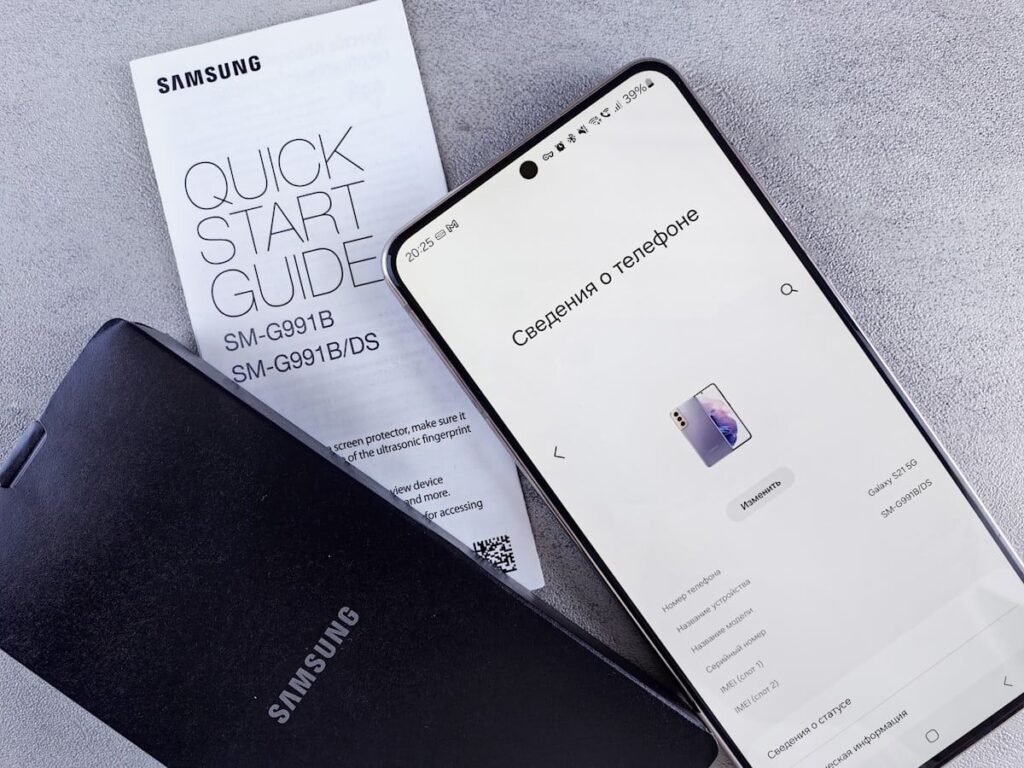
Samsung Galaxy S26 Series
Samsung continues to set the standard for Android flagships with the Galaxy S26 lineup. Expected to launch in February 2026, early reports suggest a refined lineup consisting of the vanilla S26, the powerful S26 Ultra, and the remarkably slim S26 Edge. The S26 series is rumored to feature Samsung’s groundbreaking Exynos 2600 processor built on 2nm technology, potentially giving it a significant performance advantage over competitors early in the year.
The lineup may also introduce Qi2 wireless charging technology and enhanced battery efficiency, keeping Samsung competitive in an increasingly crowded premium market. For those who demand the absolute best in display quality, camera versatility, and the iconic S Pen experience, the S26 Ultra remains the Android phone to beat.
OnePlus 15
OnePlus has delivered an exceptional all-rounder with the OnePlus 15. Powered by Qualcomm’s Snapdragon 8 Elite Gen 5 processor, this device offers performance that exceeds most users’ needs. What truly sets it apart is its massive battery capacity, making it a genuine two-day phone for average users.
The OnePlus 15 combines exceptional performance with impressive battery life, great cameras, and the company’s signature smooth OxygenOS software. It represents the pinnacle of what an all-around premium Android experience should be, without the eye-watering price tag of some competitors.
Google Pixel 10 Series
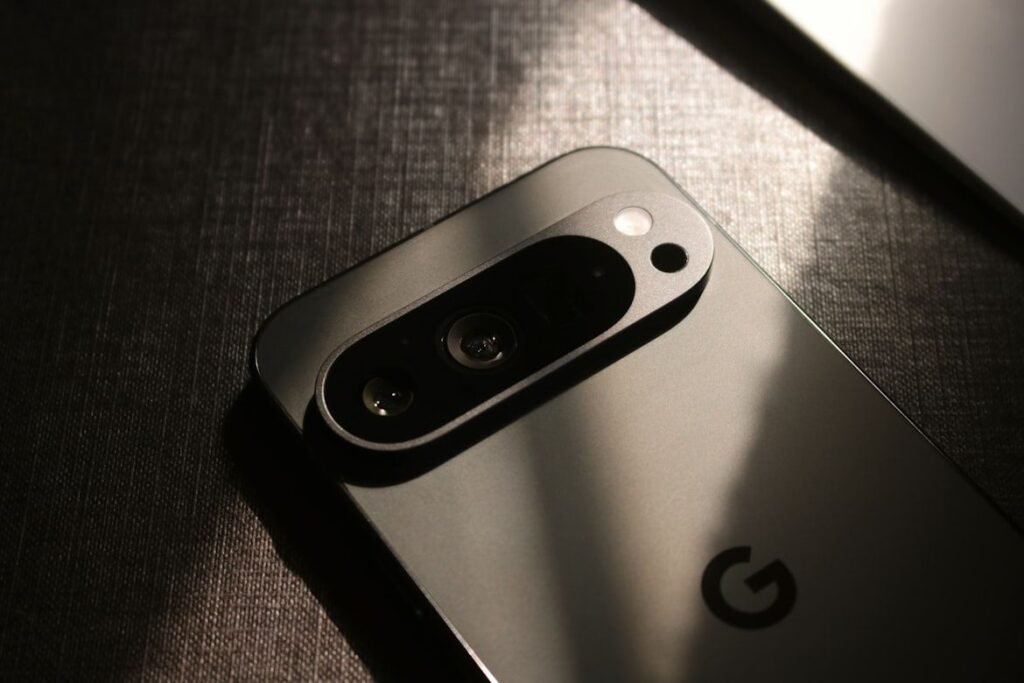
Google’s Pixel 10 lineup, which launched in August 2025, continues to impress well into 2026. The standout Pixel 10 Pro XL has earned praise for delivering nearly all the flagship capabilities in a refined package. With Google’s latest Tensor processor, a bright display, and the company’s renowned computational photography, the Pixel 10 series offers an experience that feels uniquely Google: simple, intelligent, and seamlessly integrated.
The Pixel 10 delivers versatile cameras, strong performance, and pure Android software with guaranteed long-term updates. For those who prioritize clean software, rapid updates, and exceptional camera performance, the Pixel lineup remains hard to beat.
Xiaomi 17 Pro Max
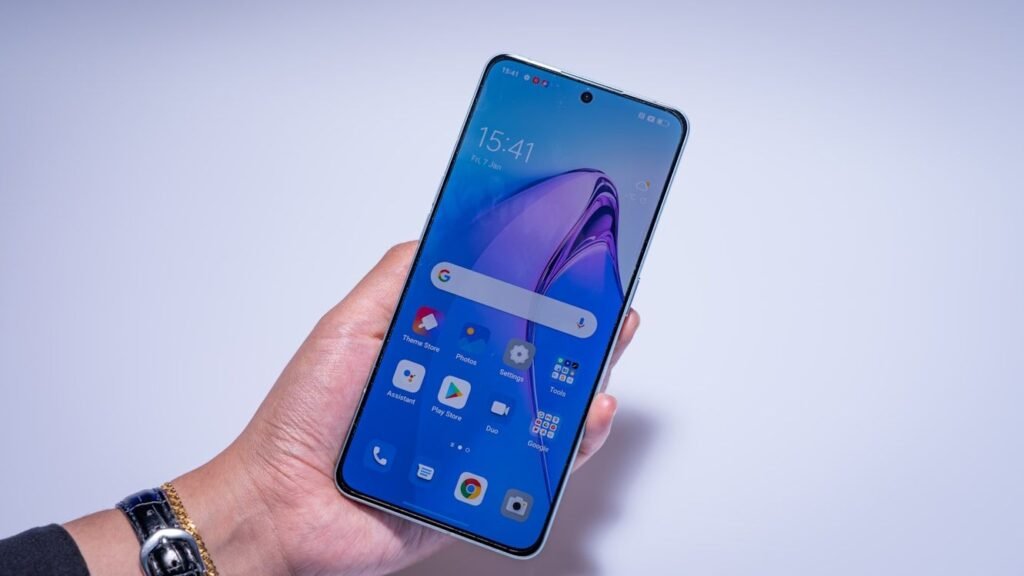
Xiaomi isn’t holding back with the 17 Pro Max, which boldly skipped the number 16 to position itself as an Apple competitor. The device features an innovative rear camera island that doubles as a secondary display, an absurdly large battery, very capable camera sensors, and the latest HyperOS Android skin. It’s a statement phone that showcases what’s possible when innovation takes center stage.
Mid-Range Marvels
Google Pixel 9a
The Pixel 9a confirms Google’s mastery of the affordable flagship category. With its sleek redesign, upgraded main camera, and Gemini AI built in, it proves you don’t need to spend premium prices for a premium experience. Running on the same Tensor G4 processor as the Pixel 9 Pro, it handles Android 15 flawlessly and offers pure Android software with guaranteed updates through late 2026 and beyond.
For students, young professionals, and Android purists seeking value and reliability, the Pixel 9a represents one of the best choices in 2026. Its composite shell convincingly mimics premium glass construction, while delivering exceptional camera performance and the streamlined Android experience Google is known for.
OnePlus 13R
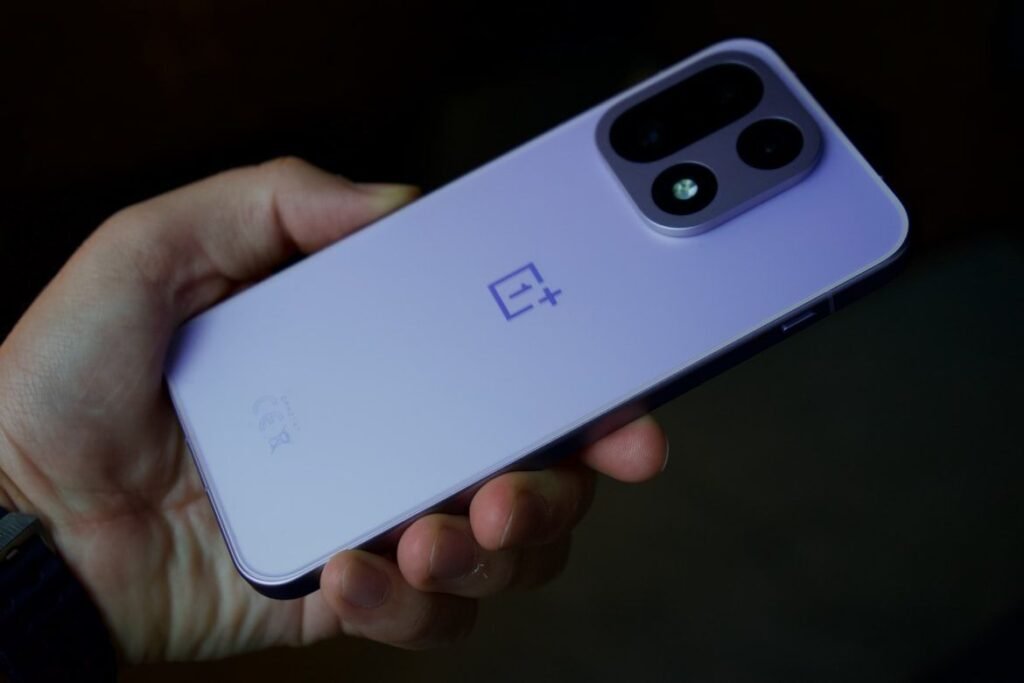
Before the RAM shortage affected pricing, OnePlus launched the exceptional 13R in early 2025 for just $600. It quickly became one of the best mid-range Android phones, offering excellent hardware, outstanding performance, impressive battery life, and rapid charging capabilities. With current discounts bringing it down to around $550 at major retailers, it represents extraordinary value.
If you’re considering a mid-range OnePlus device, the 13R remains the smarter choice over its successor, delivering more features at a lower price point. It’s everything you’d expect from OnePlus: blazing performance, amazing battery life, rapid charging, a gorgeous display, and the smooth, feature-packed OxygenOS experience.
Nothing Phone 3a
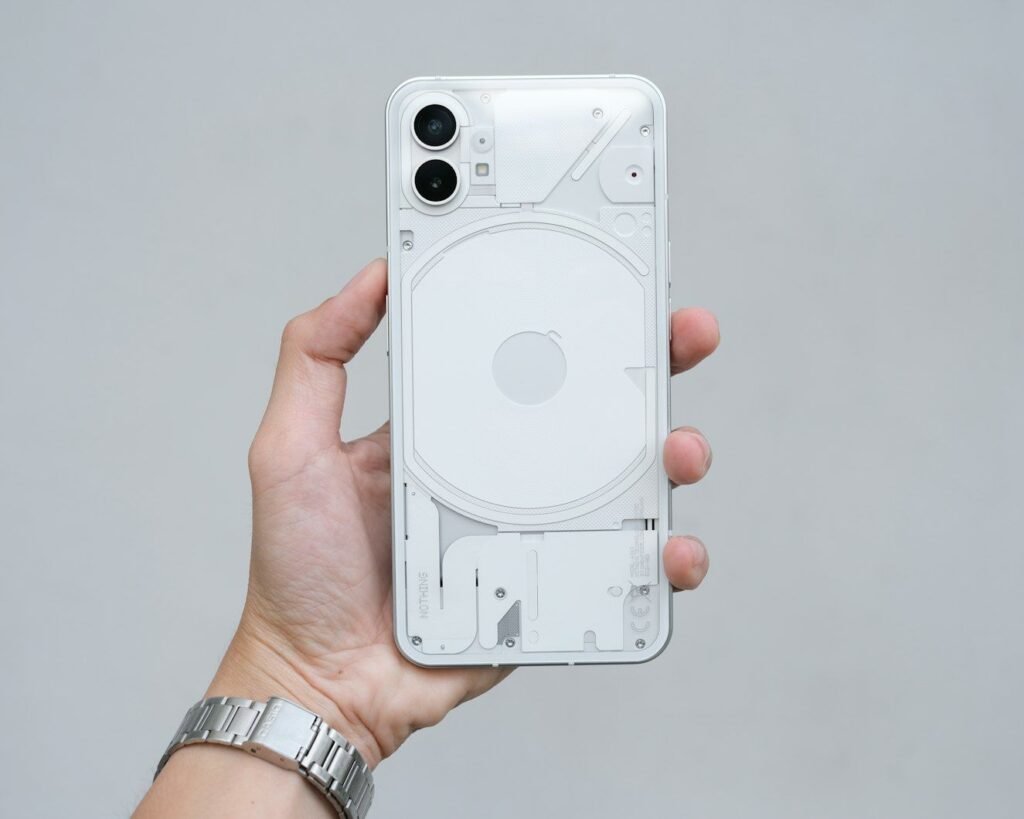
The Nothing Phone 3a continues the brand’s tradition of delivering affordable style with substance. At approximately $329-375, it offers a jaw-dropping design unlike anything else on the market, some of the best Android software in its price range, solid cameras including a 2x optical zoom lens, and excellent battery life. For those who want their phone to stand out from the crowd without breaking the bank, the Nothing Phone 3a delivers.
Budget Champions
Realme P4
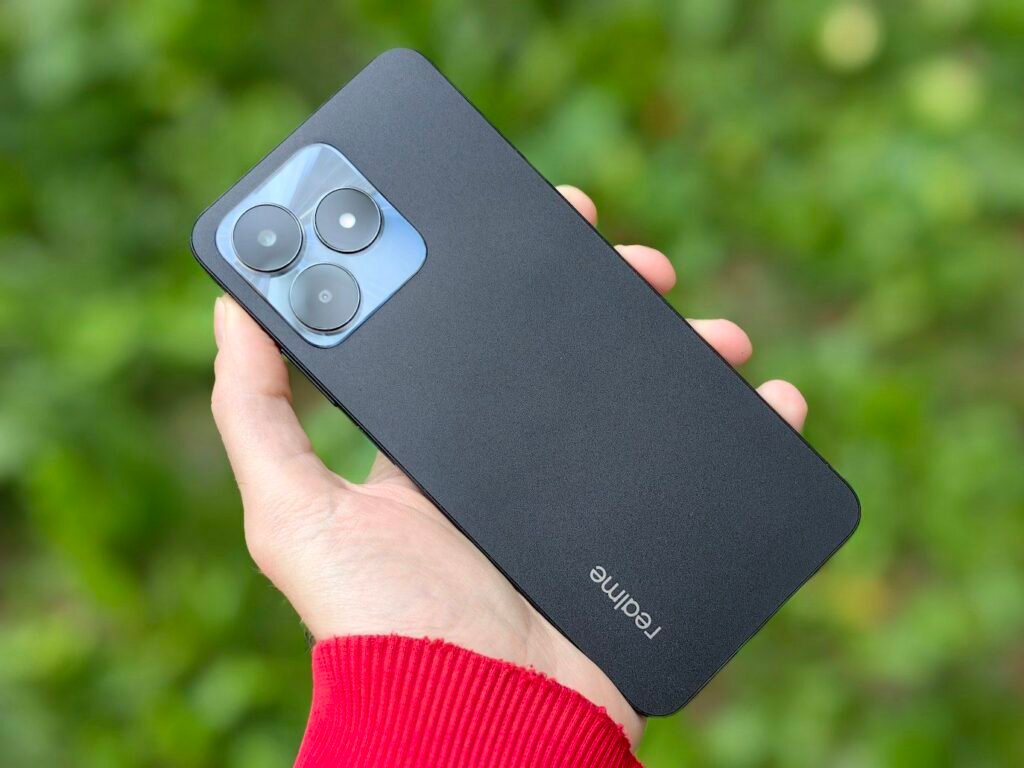
For first-time smartphone buyers, students, or anyone seeking a reliable daily driver on a tight budget, the Realme P4 stands out. Powered by MediaTek’s Dimensity 7400 processor, it handles everyday tasks and light gaming with ease. It offers strong performance, good cameras, and long battery life without demanding a premium price.
CMF by Nothing Phone 2 Pro
This sub-brand offering from Nothing brings creative photography, multitasking capability, and modern design to the budget segment. With a 6.77-inch display, triple rear cameras (50MP + 50MP + 8MP), 16MP front camera, 5000mAh battery, and Dimensity 7300 Pro 5G processor, it delivers smooth performance for work, study, and entertainment. It’s ideal for young professionals and content creators wanting an affordable yet stylish device.
Innovation Spotlight: Foldables and Special Devices
Samsung Galaxy Z Fold 8 and Z Flip 8
Expected by mid-summer 2026, Samsung’s eighth-generation foldables will continue refining the folding phone experience. These devices represent the most mature foldable technology available, offering productivity-enhancing large screens in pocketable form factors.
Oppo Find N6 and Find X9 Ultra
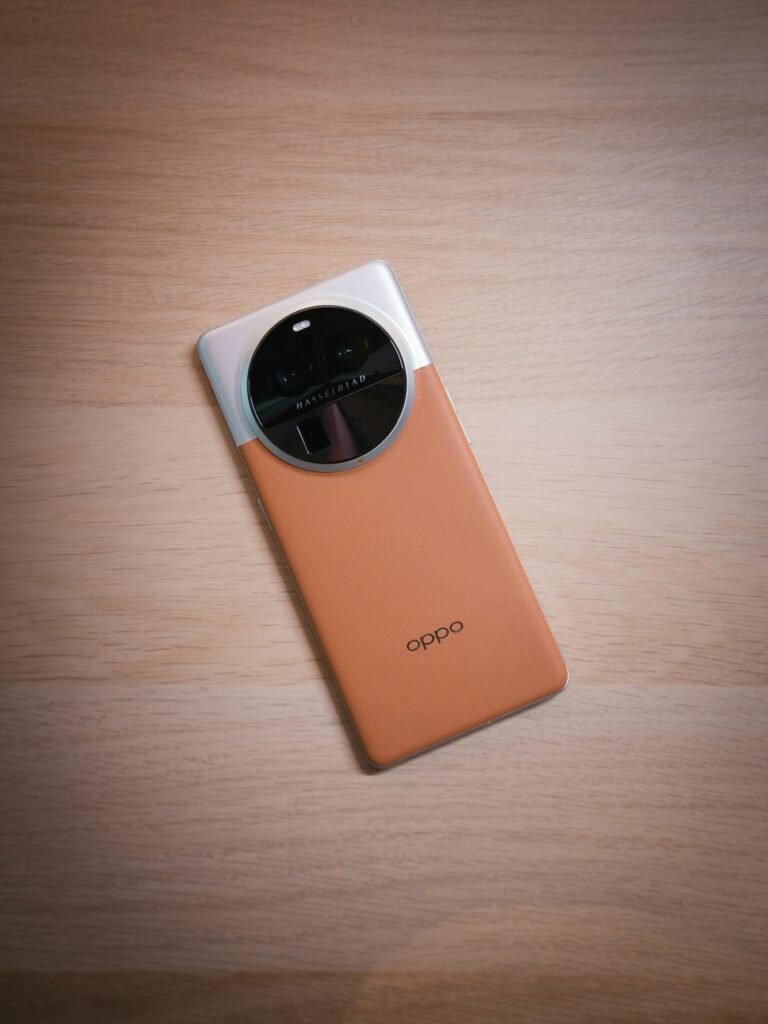
Oppo returns to the foldable arena with the Find N6, expected in early 2026 with a sleeker, lighter design, improved battery life, and a more durable hinge. The Find X9 Ultra, rumored to launch in the first half of 2026, may feature a variable-aperture main camera, triple 50MP camera setup, QHD+ LTPO display, and impressive 100W charging. Oppo has been steadily closing the gap on Samsung and Xiaomi in both performance and imaging quality.
Sony Xperia 1 VII
For creative professionals, the Sony Xperia 1 VII (launching between March and August) offers a cinematic 4K HDR OLED display, variable telephoto optics, and manual camera controls that feel more like operating a professional camera. While it won’t sell in massive numbers, Sony’s unwavering focus on creators keeps the Xperia line among the most distinctive in the industry.
What to Consider When Choosing
When selecting your next Android phone in 2026, consider these key factors:
Performance: Do you need flagship power for gaming and intensive multitasking, or will mid-range performance suffice for everyday tasks?
Camera Quality: Are you a photography enthusiast who needs advanced camera systems, or is a competent single-lens setup enough?
Battery Life: How important is multi-day battery life versus fast charging convenience?
Software: Do you prefer pure Android with rapid updates (Pixel), feature-rich customization (Samsung’s One UI), or something in between?
Display: Will you benefit from high refresh rates, vibrant AMOLED panels, or is a quality LCD sufficient?
Budget: Premium flagship phones start around $700-800 and can exceed $1,200, while excellent mid-range options exist in the $400-600 range, and capable budget devices can be found under $300.
Important Note: The RAM Shortage Impact
As we progress through 2026, be aware that AI companies’ increased demand for RAM has created a shortage affecting smartphone production. This may lead to price increases of 10% or more, particularly for budget and mid-range devices. Industry experts suggest that lower-cost phones could be hit hardest by these shortages.
If you’re considering a budget or mid-range Android phone, purchasing sooner rather than later may save you significant money before prices adjust upward due to component shortages.
Conclusion
The Android landscape in 2026 offers something for everyone, from cutting-edge flagships pushing the boundaries of mobile technology to budget devices that punch well above their weight class. Whether you prioritize camera excellence, battery longevity, raw performance, innovative design, or simply the best value for your money, there’s an Android phone that fits your needs perfectly.
Samsung continues dominating the premium segment with its comprehensive ecosystem, Google masters the balance of software and hardware integration, OnePlus delivers exceptional value in the mid-to-premium range, and brands like Nothing and Realme prove that budget doesn’t mean compromise.
As 2026 unfolds, we can expect even more innovations, from tri-folding designs to advanced AI capabilities becoming standard across price tiers. Whatever your priorities and budget, this is an excellent time to be in the market for an Android smartphone.